
October 15, 2026
Plastic Geogrid: Types, Specs and Civil Engineering Uses
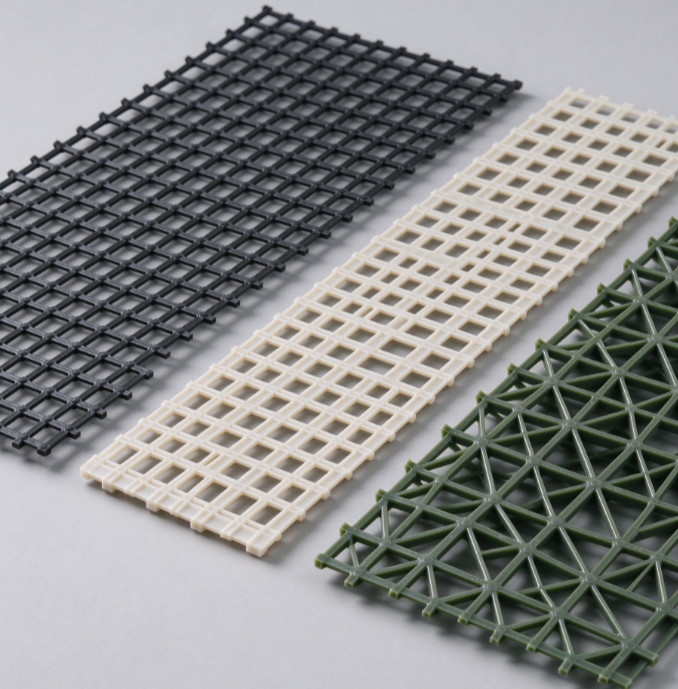
Table of Contents
1. Overview of Plastic Geogrid
2. Main Plastic Geogrid Types
3. Technical Specs and Performance Comparison
4. Core Functional Advantages
5. Common Construction Applications
6. Frequently Asked Questions
1. Overview of Plastic Geogrid
Plastic geogrid is a flexible geosynthetic material. It made from high polymer plastic materials like PP and HDPE.
The material form a stable grid structure through punching and stretching processing. It have uniform mesh apertures and rigid rib structures.
Plastic geogrid mainly used for soil reinforcement and ground stabilization. It lock soil particles and reduce ground deformation.
This geosynthetic product resist corrosion and aging. It keep stable performance in long-term outdoor engineering environments.
2. Main Plastic Geogrid Types
2.1 Biaxial Plastic Geogrid
Biaxial plastic geogrid stretch in two perpendicular directions. It own balanced tensile strength on both axes.
Square mesh structure provide uniform soil locking force. It fit flat ground reinforcement scenarios.
This type is the most common plastic geogrid for road and pavement construction.
2.2 Uniaxial Plastic Geogrid
Uniaxial plastic geogrid only stretch in one single direction. It form long strip grid structures.
It have ultra-high unidirectional tensile strength. It focus on bearing longitudinal tension force.
Engineers use this product for steep slope reinforcement and retaining wall projects.
2.3 Triaxial Plastic Geogrid
Triaxial plastic geogrid have triangular mesh layout. It deliver multi-directional stress dispersion.
It show better adaptability for uneven ground pressure. It widely used for heavy-load road foundation treatment.
3. Technical Specs and Performance Comparison
Different plastic geogrid types have big differences in tensile strength, elongation and application limits. The table below shows industry standard test data based on ASTM D6637 testing standards.
Geogrid Type | Material | Ultimate Tensile Strength (kN/m) | Elongation at Break | 2% Secant Stiffness (kN/m) | Best Application |
Biaxial Geogrid | PP Plastic | 15–50 | ≤13% | 8–35 | Road base, flat ground stabilization |
Uniaxial Geogrid | HDPE Plastic | 80–200 | ≤10% | 40–120 | Slope and retaining wall reinforcement |
Triaxial Geogrid | Modified PP | 20–60 | ≤12% | 15–40 | Heavy traffic road foundation |
Uniaxial HDPE plastic geogrid provide the highest tensile performance. It handle extreme tension loads in slope engineering.
Biaxial PP geogrid have lower elongation rate. It maintain stable grid shape under long-term light load.
Triaxial plastic geogrid have uniform multi-directional stress distribution. It reduce local ground settlement effectively.
4. Core Functional Advantages
4.1 Excellent Soil Locking Effect
The regular grid mesh clamp gravel and soil tightly. It prevent soil sliding and displacement.
It improve overall ground bearing capacity greatly.
4.2 Strong Environmental Adaptability
High-quality plastic geogrid resist acid and alkali corrosion. It not affected by humid soil environments.
Anti-aging plastic formula extend service life over 50 years in normal engineering conditions.
4.3 Light Weight and Easy Construction
Plastic geogrid material is lightweight. Workers lay and cut the product easily on site.
It save construction time and reduce manual labor costs.
5. Common Construction Applications
5.1 Road and Highway Engineering
Biaxial and triaxial plastic geogrid reinforce road base. It avoid pavement cracking and uneven settlement.
It extend highway service life under long-term vehicle rolling load.
5.2 Slope Protection and Retaining Wall
Uniaxial plastic geogrid apply to steep slope reinforcement. It fix soil structure and prevent landslide accidents.
It widely used for highway side slopes and landscape retaining walls.
5.3 Railway and Airport Foundation
High-stiffness plastic geogrid stabilize railway and airport ground.
It bear repeated dynamic load and keep foundation flat and stable.
6. Frequently Asked Questions
Q1: What is the difference between biaxial and uniaxial plastic geogrid?
A1: Biaxial geogrid has balanced two-way strength for flat ground and road base. Uniaxial geogrid has high single-direction tensile strength, mainly used for slope and retaining wall reinforcement projects.
Q2: What standard tests apply to plastic geogrid?
A2: Formal plastic geogrid products follow ASTM D6637 test standard. All tensile strength and elongation data are verified by professional geosynthetic testing institutions.
Q3: How long can plastic geogrid last in outdoor projects?
A3: Standard anti-aging PP and HDPE plastic geogrid can maintain stable performance for more than 50 years in normal outdoor and soil buried environments.
Q4: Which plastic geogrid is best for gravel driveway construction?
A4: Biaxial plastic geogrid is the most suitable choice. It balance cost and performance, and effectively stabilize gravel layers to prevent rutting and displacement.