
October 15, 2026
Uniaxial Plastic Geogrid: Materials, Specs and Engineering Uses
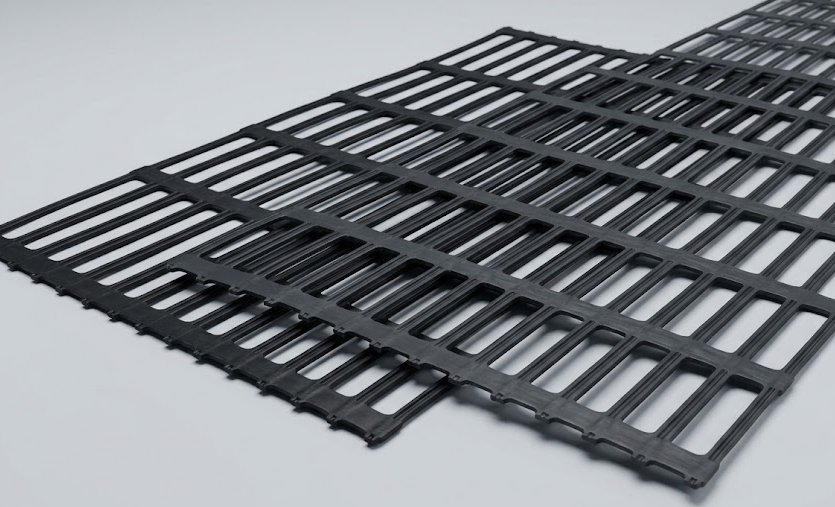
Table of Contents
1. Introduction
2. Working Principle and Structure
3. HDPE vs PP Uniaxial Plastic Geogrid Performance Data
4. Core Technical Specifications
5. Key Engineering Advantages
6. Common Construction Applications
7. Basic Installation Guidelines
8. Industry FAQ
Introduction
Soil instability cause slope collapse and foundation settlement in civil engineering projects. Ordinary geotextile materials cannot bear high tensile load for long-term reinforcement.
Uniaxial plastic geogrid is a professional geosynthetic reinforcement material. It made through extrusion and one-way stretching of polymer plastic sheets.
This geogrid product only bears strong tensile force in the longitudinal direction. It locks soil particles tightly to prevent displacement and deformation.
It widely used in earthwork reinforcement, slope stabilization and retaining wall projects. It improve overall engineering structural stability.
Working Principle and Structure
Unique Uniaxial Tensile Structure
Uniaxial plastic geogrid has elongated rectangular aperture structure. The rib strength fully aligns with the main stress direction of soil.
Molecular chains rearrange evenly during unidirectional stretching. It form a high-strength integrated tensile structure.
Soil Reinforcement Mechanism
Geogrid ribs interlock with surrounding soil. It transfer scattered soil stress to the whole grid structure.
This interlocking effect limit lateral soil movement. It reduce foundation settlement and slope sliding risks.
HDPE vs PP Uniaxial Plastic Geogrid Performance Data
Different plastic materials bring obvious performance differences for uniaxial geogrid products. The table below list verified industry standard test data for mainstream engineering grades.
Performance Parameter | HDPE Uniaxial Plastic Geogrid | PP Uniaxial Plastic Geogrid |
Typical Tensile Strength Range | 60–220 kN/m | 30–160 kN/m |
Long-Term Creep Resistance | Excellent (2–3 times higher) | Moderate |
UV & Weather Resistance | High | Medium |
Chemical Corrosion Resistance | Superior | Good |
Service Life | 50–100+ years | 30–50 years |
Best Application Scenario | Permanent heavy-load engineering | Medium-load short-to-medium term projects |
HDPE uniaxial plastic geogrid suit permanent infrastructure projects. Its stable creep performance avoid long-term structural deformation.
PP uniaxial geogrid have lower cost. It fit conventional slope protection and temporary reinforcement works.
Core Technical Specifications
Standard uniaxial plastic geogrid aperture size range from 25mm to 65mm. It match different soil particle gradation.
Qualified products keep elongation at maximum load below 10%. Low elongation ensure rigid reinforcement effect.
Common product width cover 1.0m to 3.0m. It reduce splicing times during on-site construction.
All technical indexes follow ASTM D6637 international testing standards. It meet global engineering acceptance requirements.
Key Engineering Advantages
Uniaxial plastic geogrid provide directional high tensile strength. It target soil stress more accurately than biaxial geogrid.
Lightweight plastic material easy to transport and lay on site. It save construction labor and time cost.
Inert plastic structure resist acid, alkali and salt erosion. It adapt complex geological environments.
Low elongation feature maintain long-term structural stability. No obvious fatigue deformation after years of load bearing.
Common Construction Applications
MSE retaining wall reinforcement is the core usage. Uniaxial geogrid stabilize tall earth retaining structures.
Highway and railway embankment reinforcement reduce foundation settlement. It extend road service life.
Steep slope protection and soil erosion control fix loose surface soil. It prevent rainwater washing damage.
Landfill and coastal engineering use HDPE uniaxial geogrid. It resist harsh weather and chemical corrosion.
Basic Installation Guidelines
Lay geogrid flat and smooth on the base layer. Avoid folding and twisting during installation.
Align the tensile direction with the main soil stress direction. It maximize reinforcement efficiency.
Reserve standard overlapping width between adjacent rolls. Prevent local stress blank areas.
Cover with filling soil immediately after laying. Avoid long-time direct sunlight exposure.
Industry FAQ
1. What is uniaxial plastic geogrid used for?
Uniaxial plastic geogrid is one-way tensile geosynthetic material. It mainly used for retaining wall reinforcement, slope stabilization and embankment foundation reinforcement in civil engineering.
2. What is the difference between uniaxial and biaxial geogrid?
Uniaxial geogrid only provide high strength in single longitudinal direction. Biaxial geogrid offer balanced strength in two directions. Uniaxial types work better for directional high-load earth reinforcement.
3. Which material grade is better for permanent projects?
HDPE uniaxial plastic geogrid is the best choice. It have better creep resistance, UV stability and longer service life for permanent infrastructure.
4. What tensile strength grades are available?
Common grades range from 30 kN/m to 220 kN/m. Low grades for general protection, high grades for heavy-load retaining wall and bridge foundation projects.